

IEEE · 12th ICVR · 2026
Recognizing disruption
through movement.
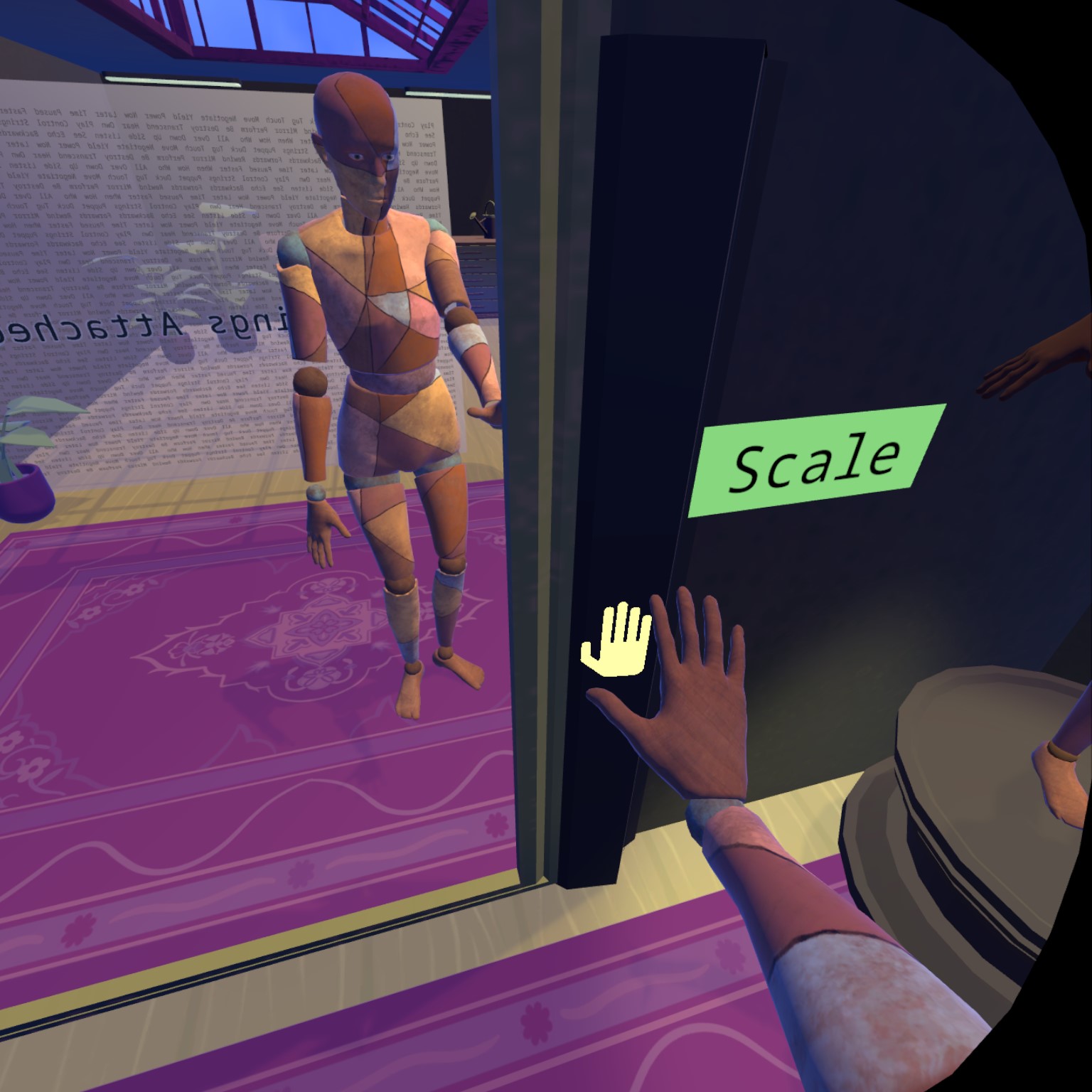
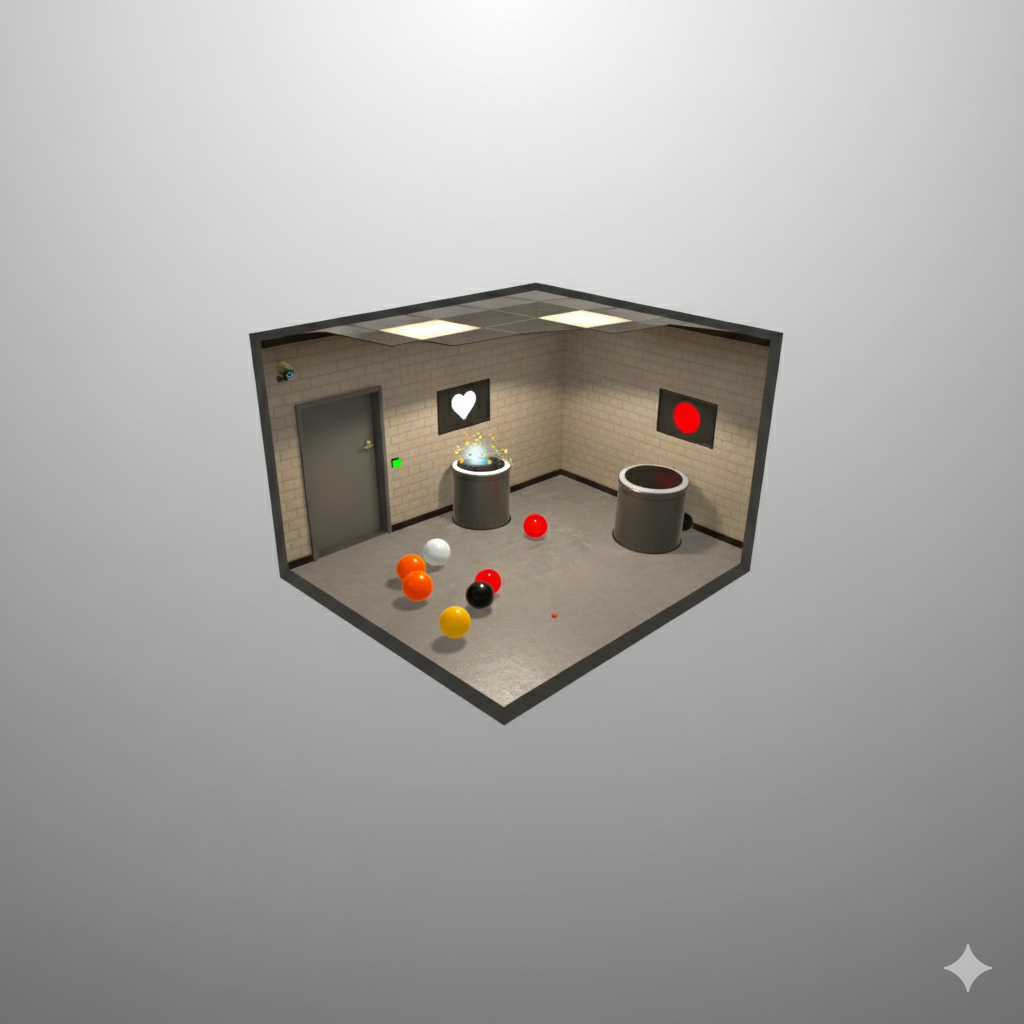
Can movement reveal when the relationship between a person and a system changes? This study analyzed head and controller motion during a coordination task, introducing unexpected changes in how objects responded.
Detrended fluctuation analysis identified differences between disrupted and uninterrupted phases within individual sessions. Detection depended on the thresholds selected, showing why context and calibration matter when interpreting behavioral signals.
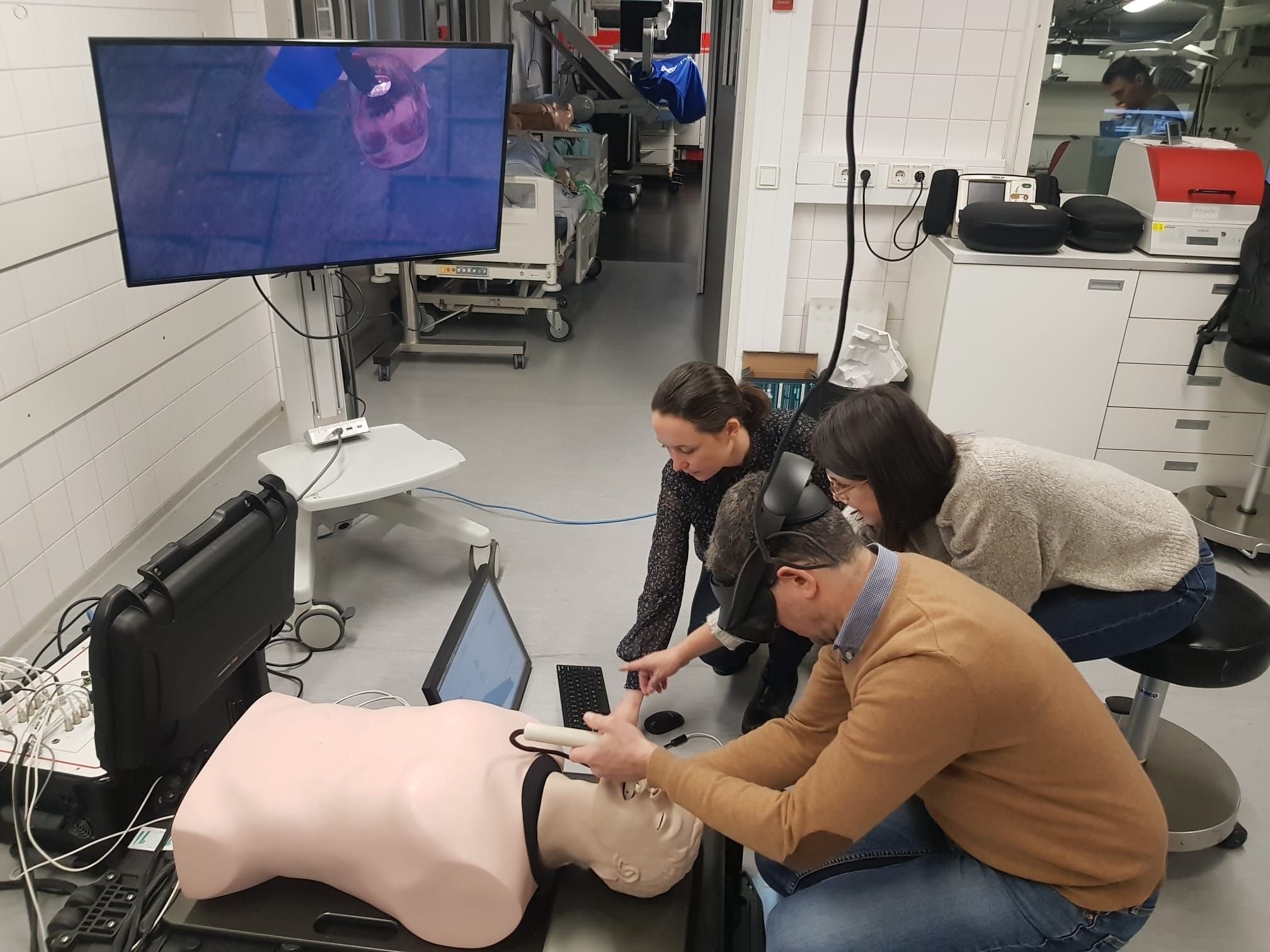
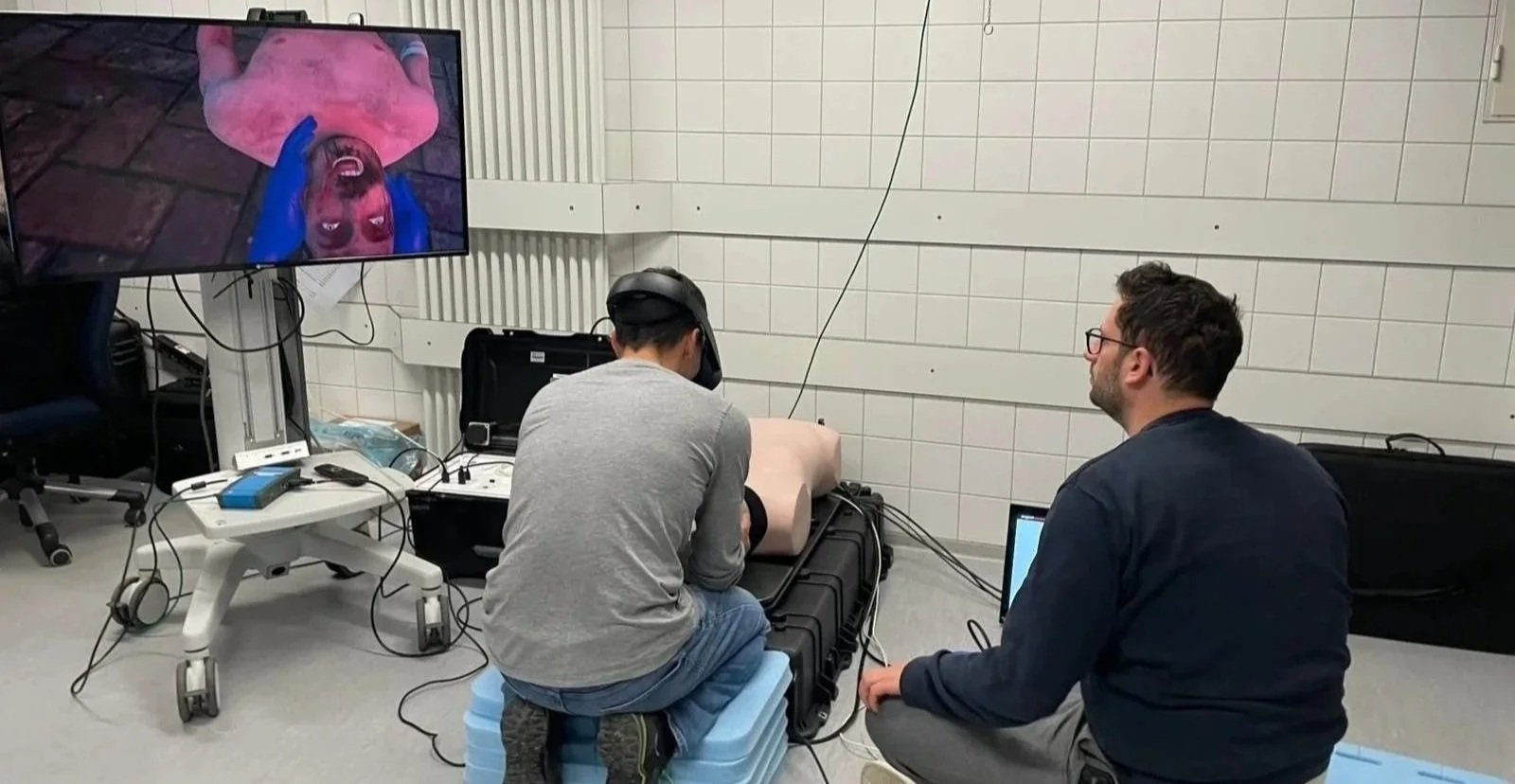
For Response Reality, the broader direction is to turn ongoing interaction into useful information: recognize a change in coordination, then help a system decide when to clarify, adjust or offer support. The study establishes a basis for this direction in a controlled virtual task.
Read the publication