
Support at the right moment.
Changes in coordination can signal when an interaction needs attention-helping systems offer relevant support without waiting for an explicit request.
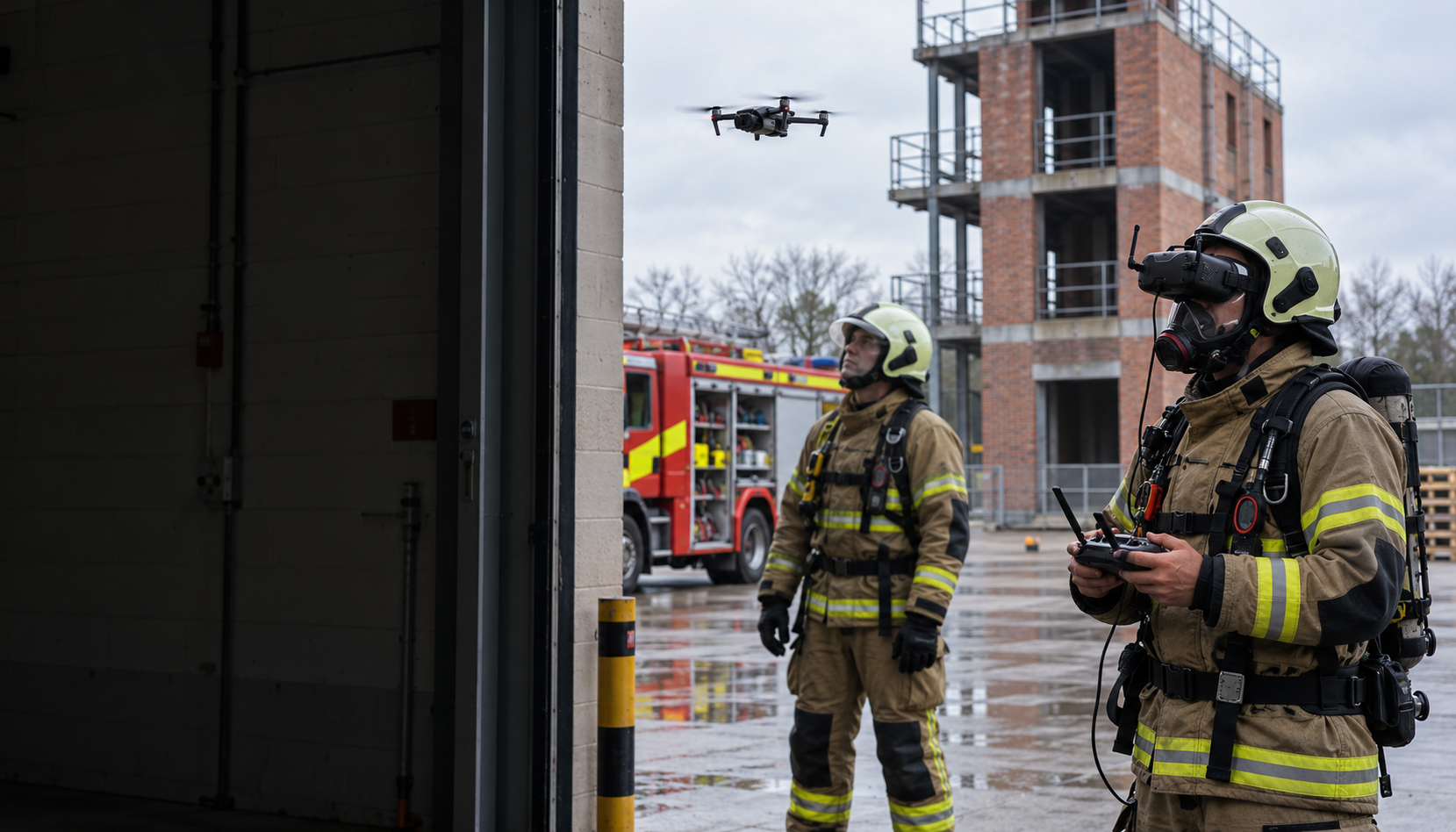
Response Reality develops technology to understand human behavior during interaction with intelligent systems.
Response Reality is developing a human-understanding layer that interprets behavioral and interaction data.
The goal is to help intelligent systems respond more appropriately to changing human needs.
Understanding the human. Improving the interaction.
Intelligence that works better with people.
Connect machine capability with the needs of the person using it.
Changes in coordination can signal when an interaction needs attention-helping systems offer relevant support without waiting for an explicit request.
Give operators clear feedback as assistance or autonomy changes, so the system stays understandable and predictable.
Use movement and interaction context to help people and machines coordinate shared tasks with less friction.
Connect behavioral insight with controller and machine data, using signals already available on the platform wherever possible.
Wherever people and intelligent machines work together.
Human-state information can help intelligent vehicles recognize changing engagement and support more appropriate transitions between human and automated operation.
Behavioral information can help robots coordinate tasks and provide assistance when it is needed.
Our research investigates how behavioral data can reveal changes in presence and the quality of interaction with immersive environments.
Behavioral measurement can help evaluate interaction during medical training, simulation, and future intelligent assistance.
One approach to human understanding, tailored to the demands of each application.
Our work originates in experimental psychology and research into how people experience digital environments.
Controlled behavioral measurements provide the foundation. Extending them to more complex intelligent systems is the next research question.
Explore Our ResearchWe’re interested in exploring how human understanding can improve the interaction between people and intelligent machines.
Get in touch